



19 May 2026
Did you know that horses can donate blood too? It can even help save another horse's life? That's what happened in the case of Harmonia - thanks to horsey hero Rourke and our expert veterinary team.
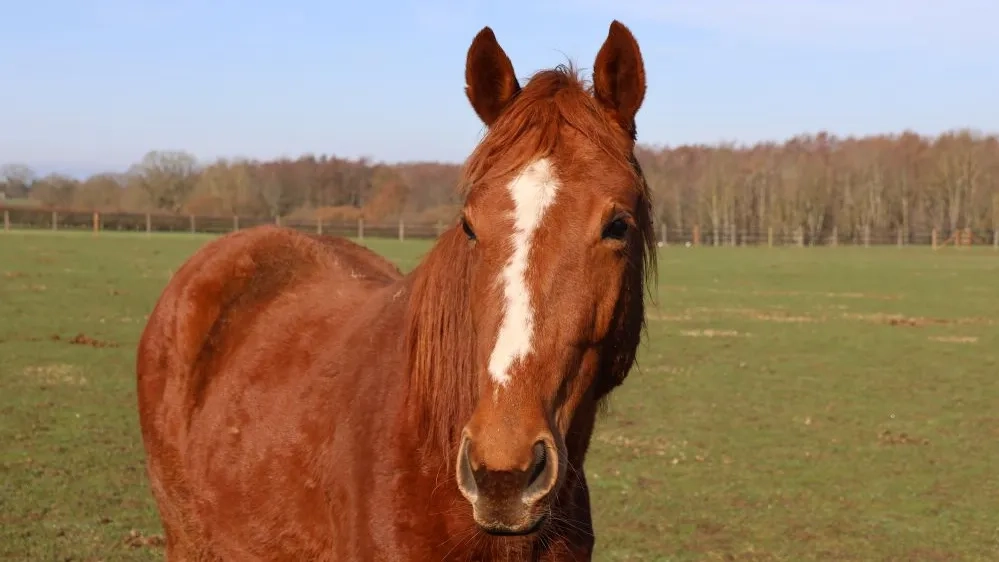
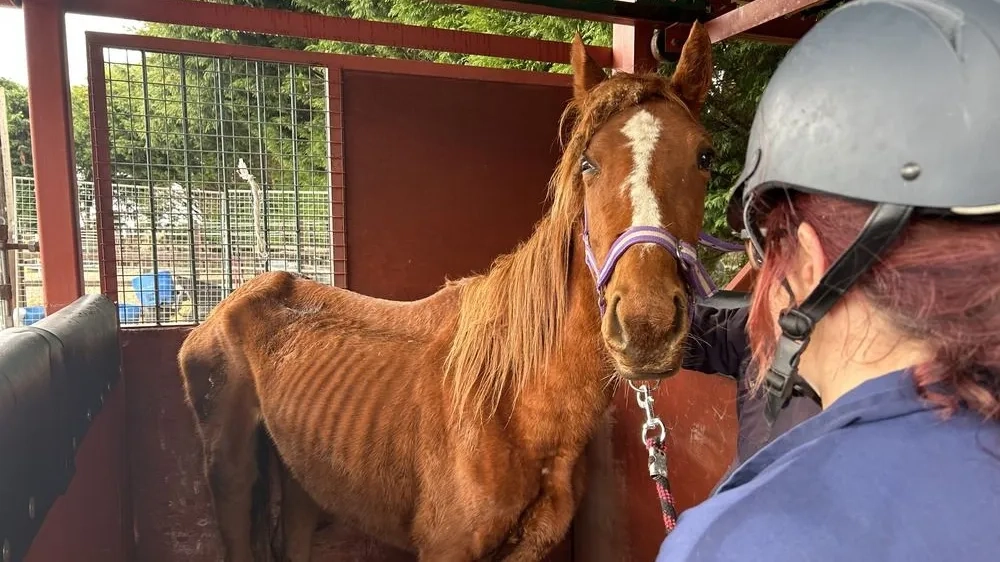
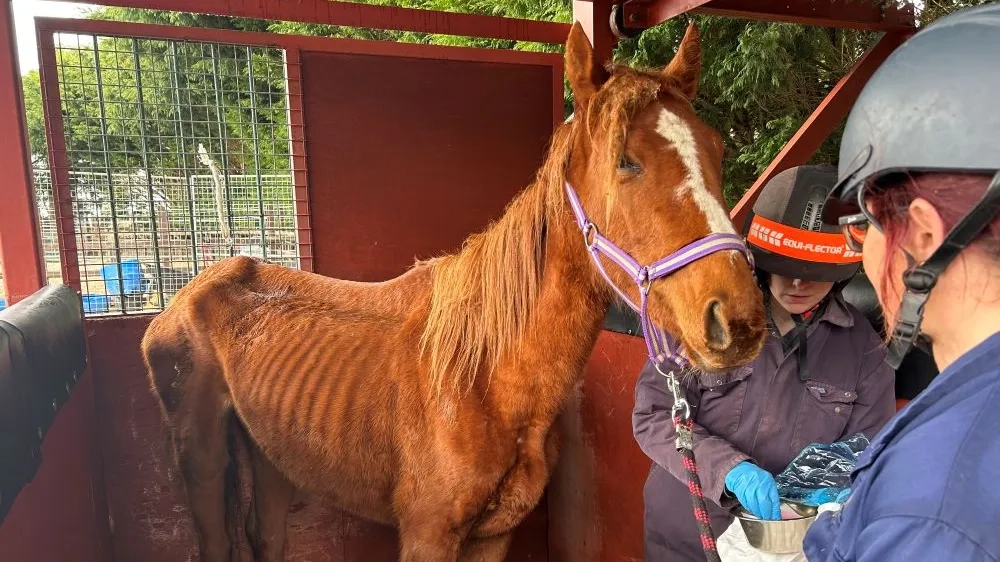
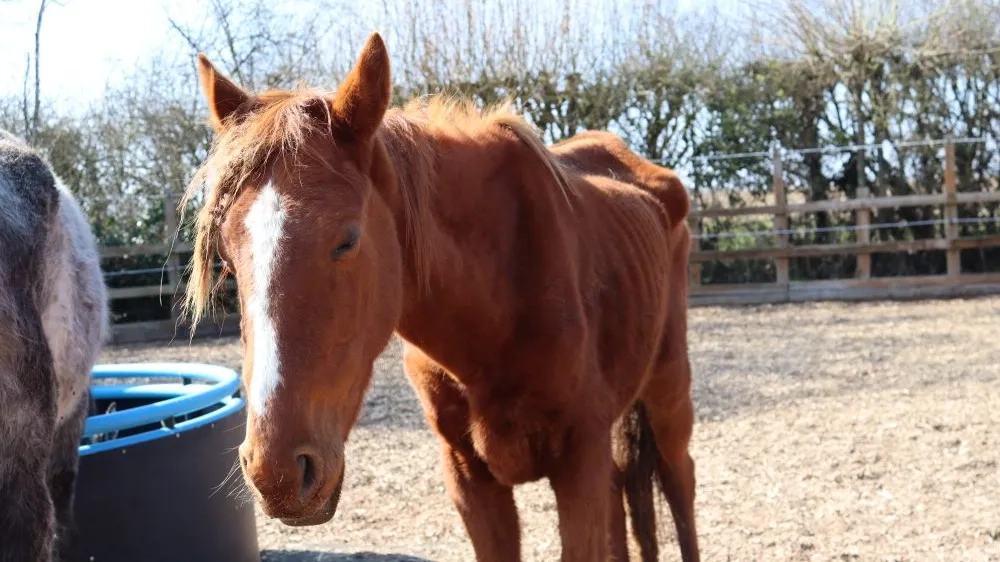
Three-year-old Harmonia was severely emaciated when she was rescued in March 2025. She was one of four Thoroughbred mares who came into our care. We couldn’t share their story until this year when the legal case against their owner concluded.
He was found guilty of the mares’ neglect and banned from keeping animals for life. As part of his sentence, he had to rehome a further six horses who were still in his ownership. They came to Redwings in February 2026. Many of the bones in Harmonia’s body were prominent, but our welfare vets know that the damage caused by neglect is often hidden from view too.
For every newly rescued arrival, we run a blood test to check their overall health. Harmonia had worryingly low levels of albumin in her blood, a type of protein which is key to healthy body function. Caused by a significant untreated parasitic burden, encysted redworm leads to inflammation in the gut wall. As a result, this precious protein is able to leak into the gut and leave the body.
Harmonia and her friends needed worming urgently, as well as anti-inflammatory medication and, due to the severity of her condition, Harmonia desperately needed a plasma transfusion too, to help raise the protein levels in her blood.
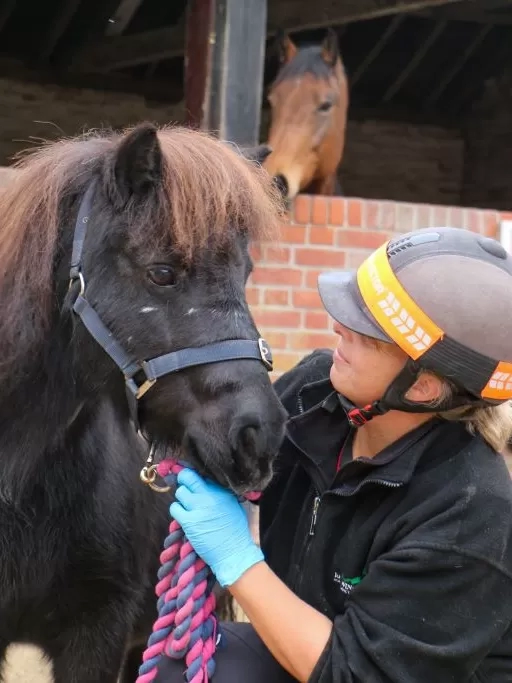
The plasma, which is stored frozen, is first defrosted in a water bath. Meanwhile, members of our nursing team work with our vets to prepare their patient for the transfusion. After a clinical exam, they clip a patch of hair on their neck and carefully clean the area to make it sterile before placing an intravenous catheter.
A plasma transfusion takes many hours, preparing the patients carefully and then monitoring them closely throughout. The infusion rate is always very slow, to minimise the chance of any adverse reactions, and we monitor their heart rate and temperature regularly to look for any signs of concern.
The next step is to run repeat blood tests to monitor the protein levels so we can decide their treatment plan. They will likely need ongoing medication to support their recovery, and they may benefit from another
transfusion.
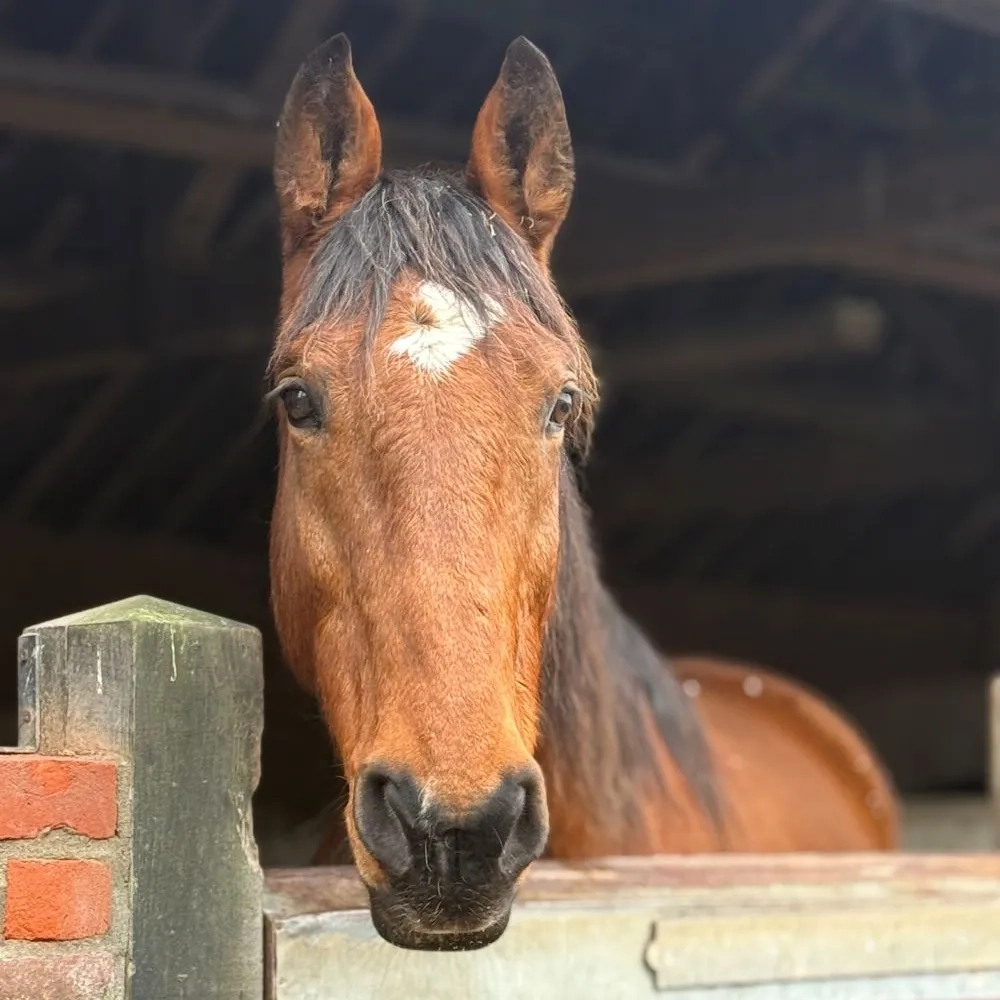
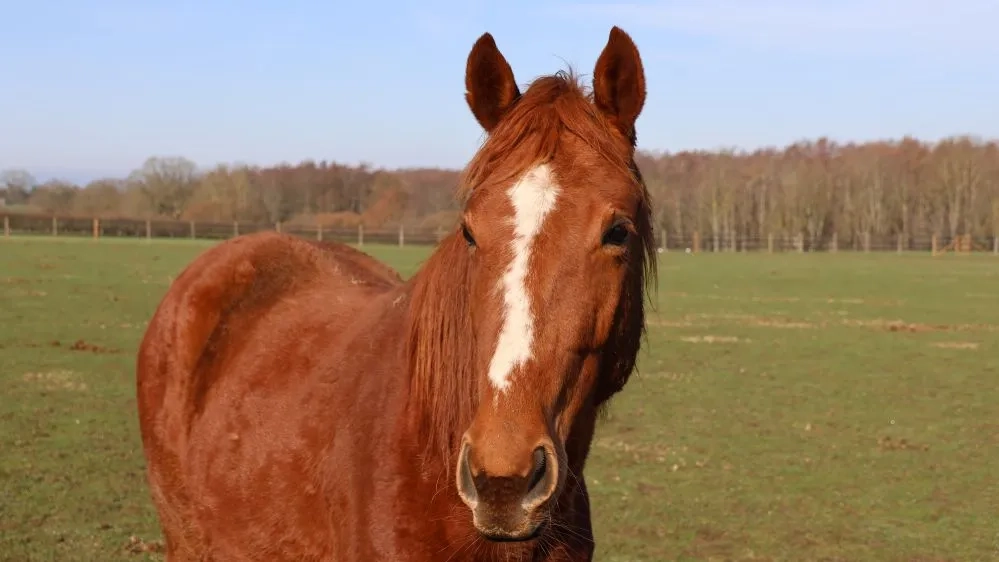
Tall, dark and handsome!! There’s much more to this chap than just his good looks.
Rourke came to Redwings in 2020 from the Ministry of Defence, as he wasn’t suitable for a career as a military horse. But, he’s definitely the hero of this story…
We can purchase plasma but, thanks to the expertise of our veterinary team and the facilities in our Horse Hospital, we can also produce our own (which is more cost effective for our charity resources) – thanks to some
heroic horses like Rourke!
The day after Harmonia's arrival, our vet nurses set out to collect some plasma in case she needed further transfusions. We can do all this at the Redwings Horse Hospital.
Just like in humans, there are some criteria that make a suitable donor, and it all begins with communication between our teams to select the right candidates. They must be geldings (mares who have had foals are more likely to have antibodies in their blood that can cause an adverse reaction, and we often don’t know the full
history of our mares), over 500kg, fit and healthy and not on any medication – and most importantly horses who will not be stressed by the process, and will even enjoy an afternoon being pampered by our nurses! Friendly
Rourke ticked all these boxes – and it’s not his first time being a hero donor!
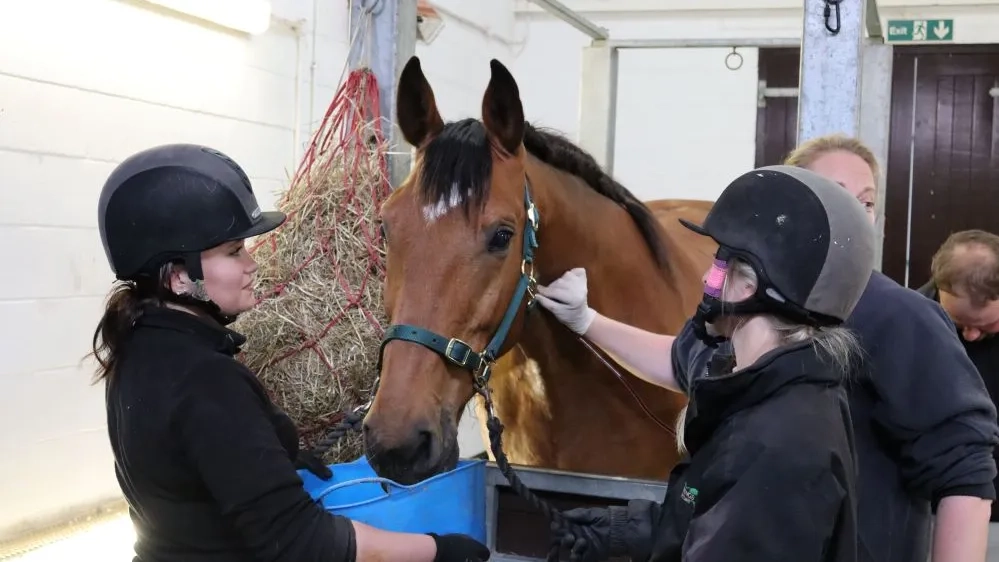
Just like with people, we perform a health check on potential donors like Rourke… and the similarities don’t end there! It might not be tea and biscuits, but there is always a tasty snack on hand for our donors. They can either munch from a haynet or from the bumbag of treats our nursing assistants have on them! If it helps keep our donors happy, we will bring one of their herd friends with them too.
Our nurses clean the skin around the injection point and give a local anaesthetic. Then they place a catheter that allows for sufficient blood flow. The blood donation itself takes around 20 minutes and involves at least three members of our nursing team – a nursing assistant whose number one priority is our donor, a vet or RVN (Registered Veterinary Nurse) who monitors the donation and a third member of the team who mixes the blood
with an anti-coagulant in the bag.
For our nurses, it’s the process that separates the plasma from the blood and prepares it for storage in a specialist bag, in a freezer in our pharmacy. For our donor, it’s five-star treatment in the Horse Hospital.
Donors like Rourke always get a tasty mash made with lots of fresh water – and often a sweet treat like an apple or two! We will then pop them into a stable for a while so we can monitor them, before they go back
to their friends in the field. At every step of the process, we want to make sure they are happy and comfortable, and treated like the heroes we think they are!
Harmonia’s condition was caused by parasitic worms, something which can be prevented with responsible management. That’s why we take worming so seriously at Redwings, to help protect our residents from this threat.
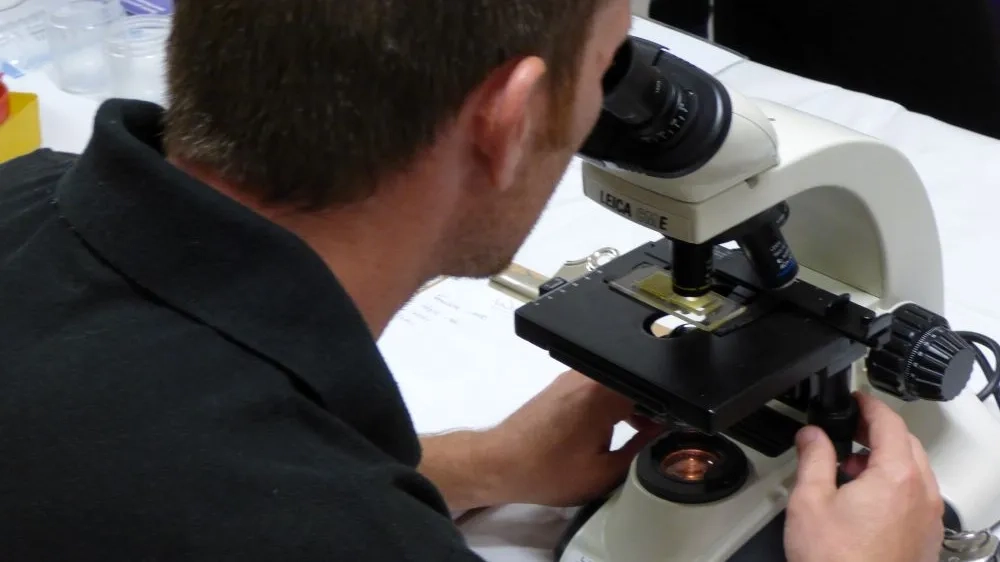
We routinely carry out worm egg counts (which involve collecting a poo sample and examining it under a microscope for worm eggs) for all of our residents – at least four times a year - to monitor for parasitic worms and give them medication in a targeted way.
could help pay for the vital first blood test that helps our vets save lives
could help our nurses continue to be prepared to give expert emergency care
could help fund worm egg counts for a resident like Harmonia for a year
Text HEAL 10 to 70450 to donate £10*
*You can give any amount - whole £s only - up to £20. Texts will cost the donation amount plus one standard network rate message, and you’ll be opting in to hearing more from us. If you would like to donate but don’t wish to hear from us, please text HEALNOINFO instead.
Thank you.
Redwings Press Office
Find out more about Redwings Press Office